Airbnb and Short-Term Rentals in the Berkshires: What Homeowners Should Know Before Listing
Thinking about renting your Berkshires home on Airbnb? What drives demand, the Massachusetts rules to settle first, and how to prepare before you list.
 Justin Feldstein
Founder, Haus Vacation Rentals · Licensed NYS Real Estate Broker
If you own a home in Great Barrington, Lenox, Stockbridge, Williamstown or elsewhere in western Massachusetts, you have probably wondered whether it could work as a short-term rental. Often it can, but the state and town rules are easy to underestimate.
Haus manages homes in the Hudson Valley and Catskills and is taking on homes in the Berkshires. We have yet to manage a home in the Berkshires.
What drives demand across the year
The region is not a single-season market, but each season is booked for a different reason.
- Summer. Tanglewood, the Boston Symphony Orchestra's summer home in Lenox and Stockbridge, anchors the calendar, alongside lakes, hiking and gallery towns.
- Fall. Foliage weekends fill up early. Homes with views and easy access to trails tend to be the ones guests search for.
- Winter. Ski areas such as Jiminy Peak in Hancock and Butternut in Great Barrington draw weekend and holiday guests. A fireplace, a hot tub and a warm interior carry more weight in January than a pool does.
- Spring. Usually the quietest stretch, which makes flexible minimum stays and sensible rates matter more.
Compare nightly rates and occupancy for nearby rentals with similar bedrooms and amenities. Estimate revenue for the dates you plan to make your home available. Our guide to pricing a Berkshires rental explains how to choose comparable homes.
What guests look for
Guests searching this region usually want a particular kind of stay: a home with character, outdoor space and a kitchen that works for a group. Some features come up again and again:
- Decks, patios, fire pits or water access
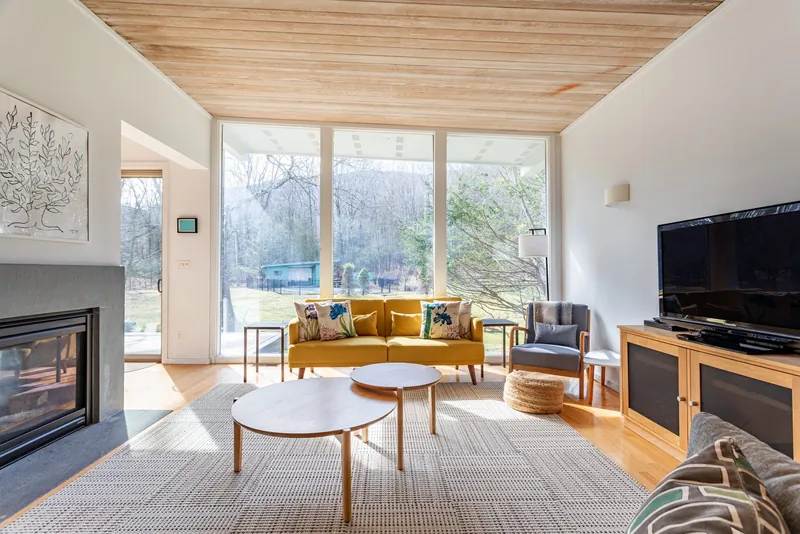
- A fireplace and a comfortable main living space
- A full kitchen and a washer and dryer
- Reliable WiFi, since many guests work remotely for part of the trip
- A pet policy you have thought through. Dog-friendly listings tend to book more, but it is your decision
Photography and presentation matter just as much. Bright, uncluttered, accurate photos help a listing get clicked, and a description that matches what guests find on arrival protects your reviews.
The rules to settle first
Massachusetts regulates short-term rentals at the state level, and each town adds its own rules on top. Settle both before you take a booking.
- State registration and tax. Under Chapter 337 of the Acts of 2018, operators need a certificate of registration from the Massachusetts Department of Revenue. Short-term rentals are subject to the room occupancy excise, and a town may add a local option of up to 6%. A rental of 14 days or fewer in a calendar year can be exempt if you register and file a declaration first. Read the act.
- Liability insurance. The same law requires an operator to carry liability insurance of at least $1,000,000 for each short-term rental, with an exception when a hosting platform maintains equal or greater coverage. Standard homeowner's policies often do not contemplate rentals, so ask your insurer directly and keep the answer in writing.
- Town rules. These vary widely. Some towns limit how many nights an unoccupied home can be rented, some cap the number of units one owner can register, and bylaws are being updated. Our Berkshires regulations summary covers Stockbridge, Great Barrington and Lenox as of our last review.
- Inspections. Ask the town's building department whether a safety inspection or certificate is required before you rent.
- Income tax. Rental income is taxable, and the treatment of expenses and depreciation depends on how you use the home. Talk to an accountant before the first booking.
None of this is a reason to give up on the idea. It is a reason to confirm the current rule with the town and the Department of Revenue, and with an attorney if the answer is unclear, before you list. Rules change, and this post is not legal advice.
Preparing the home
Make it guest-ready before you photograph it. Declutter, remove personal items, and replace anything worn. Quality linens and a well-stocked kitchen cost little and show up in reviews.
Price from comparable homes, not from your mortgage. Underpricing to collect early reviews is a common mistake, and it can anchor the listing low. Start in line with similar homes and adjust as bookings come in.
Line up people before you need them. Cleaning quality and a quick response to maintenance problems are what separate a listing that holds its rating from one that slips. Find a dependable cleaner, a handyman, and a plan for snow removal, heating and the hot tub, if you have one, before the first guest arrives.
Self-manage or hire
Many owners start on their own. Pricing, guest messages, turnovers and maintenance are manageable for one home when you live nearby. They are harder when you are two hours away and the heating fails on a Friday night. Our comparison of self-managing versus hiring a manager covers the trade-offs.
If you do hire, ask to see the fees in writing. Ours are published: 25% of the rent the home collects after guest-paid taxes and platform fees, a $250 to $400 monthly property management fee by home size, and a one-time $1,500 onboarding fee. The fees page has a worked example and says what is not included, and how it works explains what happens after you apply. If you are weighing several options, compare managers side by side.
For the homes we manage, rates move daily within a range Justin sets and reviews each week.